Ballingdon Narrow Garden Access Sudbury Gardeners Solutions: Practical Ways to Work in Tight Spaces
When a garden is tucked behind a narrow side return, a tight gate, or a passage that barely lets a wheelbarrow through, everything takes a little more thought. That is the reality for many properties in Ballingdon and around Sudbury. Ballingdon narrow garden access Sudbury gardeners solutions is really about one thing: making good garden work possible without damaging fences, planting, paving, or your own patience.
Truth be told, narrow access changes how a garden is cleared, maintained, planted, or redesigned. It affects what tools can be brought in, how waste is removed, and how much time a job will take. If you have ever looked at a tangled border, a squeezed path, and a pile of cuttings and thought, "How on earth is this going to work?", you are in the right place. This guide walks through the practical side of narrow-access gardening in Ballingdon and Sudbury, from planning and safety to tools, methods, and realistic expectations.
You will also find guidance on when professional help makes sense, how to avoid common mistakes, and how to judge whether a solution is genuinely workable rather than just sounding convenient. A small garden with awkward access is not a lost cause. It just needs a smarter approach.
Why Ballingdon narrow garden access Sudbury gardeners solutions Matters
Narrow access is more than an inconvenience. It shapes the entire job from start to finish. A garden that can only be reached through a slim side passage, a modest rear alley, or a shared access route usually needs different planning, different tools, and a more careful workflow than an open-fronted property with easy drive-up access.
In Ballingdon and wider Sudbury, that can matter for a few everyday reasons. Older properties often have compact layouts. Boundaries can be tight. Bin access may already be awkward. A few overgrown shrubs or one stubborn tree stump can turn a straightforward tidy-up into a mini logistics puzzle. And if a garden is shared, overlooked, or close to neighbouring boundaries, you also need to think about noise, movement, and keeping things tidy as you go.
This is where the right approach saves time and stress. Good narrow-access solutions do not just fit through the gap. They reduce disruption, protect surfaces, and make sure the work is done properly. That means less dragging of debris over paving, fewer accidental scrapes on walls or posts, and a much lower chance of the job becoming a half-finished mess.
There is also a cost angle. If access is poor and the plan is vague, the job can take longer than expected. Waste removal becomes harder. Manual carrying increases labour. So being realistic upfront can actually save money. Not glamorous, but true.
Practical takeaway: narrow access is not simply a space problem; it is a planning problem. The best results come from matching the method to the route, the surface, and the scale of the garden task.
How Ballingdon narrow garden access Sudbury gardeners solutions Works
The basic idea is simple: instead of forcing a standard approach into a tight space, the job is broken down into smaller, manageable stages. That usually starts with a site review. A gardener or team looks at the path to the garden, the width of any gates, the surface underfoot, and where obstacles sit. Then they decide what can be carried, wheeled, cut, dismantled, or moved in sections.
In practice, this often means lighter equipment, smaller loads, and more on-site organisation. A hedge may be cut in stages rather than all at once. A border may be cleared section by section. Waste may be bagged in smaller batches instead of being piled into one large load. If there is no straightforward route for bulky waste, material may need to be broken down before removal. Simple enough in principle, slightly fiddly in reality.
The work usually follows a sequence like this:
- Inspect access points and identify pinch points, slippery areas, or fragile surfaces.
- Choose the right tools and waste-handling method for the available space.
- Protect surfaces and nearby planting where needed.
- Carry out the task in sections so movement stays controlled.
- Remove waste efficiently and keep the access route clear.
- Finish with a tidy-down so the property is left safe and usable.
That may sound basic, but it is exactly where many jobs succeed or fail. A narrow side passage has a habit of exposing poor planning. One awkward turn with a loaded wheelbarrow and suddenly a neat job becomes a muddy one. So the method matters more than people think.
For broader maintenance needs, many homeowners pair narrow-access work with garden maintenance so regular visits keep the space under control before access becomes a bigger problem.
Key Benefits and Practical Advantages
The most obvious benefit is that the work can actually be done. But there is more to it than that. Narrow-access gardening, done properly, helps keep a property tidy, usable, and easier to maintain over time.
- Less risk of damage: careful planning helps avoid scuffed walls, dented gates, crushed plants, or broken edging.
- Cleaner results: when access is controlled, debris is easier to contain and clear away.
- Better efficiency: small, sensible movements often beat trying to force a bulky setup through a tight route.
- More flexible scheduling: many compact jobs can be handled around everyday living without turning the whole property upside down.
- Improved garden health: regular, manageable work prevents overgrowth from taking over small spaces.
- Reduced strain for the homeowner: you do not need to do all the lifting, carrying, and bending yourself.
There is another advantage people sometimes overlook: peace of mind. If you know a gardener understands how to work in a narrow access property, you spend less time worrying about the "what ifs". Will the gate be damaged? Will the waste fit out safely? Will the job take all day? Those concerns fade when the process is well handled.
Expert summary: narrow access does not have to limit what a garden can become. It just means the solution needs to be designed around movement, materials, and waste handling from the start.
Who This Is For and When It Makes Sense
This kind of service is a strong fit for anyone with limited access to the rear or side of the garden. That might be a terraced home, a compact courtyard, a property with a shared passage, or a garden where the only route is through the house and that is not practical for messy work. It is also useful if the site has mature planting, awkward corners, or heavy overgrowth that makes movement harder than usual.
You will likely benefit from narrow-access planning if:
- your garden can only be reached through a slim side passage or narrow gate;
- you need clearance, maintenance, or landscaping but the route is restrictive;
- you have limited storage and cannot keep bulky tools on site;
- you want to protect paved areas, fence panels, or decorative beds;
- you are planning work after a long period of neglect, where waste volumes may be larger than normal.
It can also make sense for landlords, managing agents, and homeowners preparing a property for sale or rental. A neglected outside space can make a property feel smaller and less cared for. A neat garden, even a modest one, tends to change the feel of the whole home. You notice it the moment you step outside, especially on a damp morning when the light is soft and the path has that slightly earthy smell after a trim.
Sometimes the question is not "can this be done?" but "what is the smartest way to do it without making a mess of the access route?" That is the real decision.
Step-by-Step Guidance
If you are planning work for a narrow-access garden, the safest approach is to think in stages. Rushing usually leads to bottlenecks, unnecessary lifting, and avoidable damage. Here is a practical way to approach it.
1. Measure the access properly
Do not guess. Measure gate widths, side passage clearances, overhead obstacles, and any tight turns. A few centimetres can make a real difference when moving bags, tools, or compact machinery. If there is a step, lip, or change in surface level, note that too.
2. Identify the job type
A simple tidy-up, a hedge trim, a clearance, and a full redesign are all different jobs. A light maintenance visit may only need hand tools. A full clearance might need bagging systems, extra labour, and a disposal plan before work even begins.
3. Choose the least disruptive route
If there are two possible ways in and out, use the safer one. Protect surfaces with boards or mats where needed. Keep the route uncluttered so repeated trips do not become awkward. A clear path is worth its weight in time saved.
4. Break large work into smaller pieces
Hedges, shrubs, and bulky waste are much easier to manage in sections. This is especially helpful when the final disposal route is tight. Smaller loads are slower at first, but they are usually faster overall because they reduce backtracking and spillages.
5. Deal with waste as you go
Waiting until the end can create a pile-up in a space that is already cramped. Bag, stack, or stage waste gradually. That way the access route stays usable, and you are not forced to squeeze past a mountain of clippings on the way out. Nobody enjoys that. Not once, anyway.
6. Finish with a proper clear-down
Check the route, sweep loose material, and make sure any temporary protection is removed. A narrow-access job should leave the property calmer, not more awkward than before.
For overgrown spaces that need more than a tidy-up, a garden clearance service is often the most sensible starting point before maintenance or replanting begins.
Expert Tips for Better Results
Over time, certain habits make narrow-access jobs much smoother. These are not flashy tricks, just the practical habits that save effort and reduce mistakes.
- Plan for the exit before you start the first cut. It sounds obvious, but the last thing you want is to create material that is hard to remove.
- Use lighter, hand-held tools where possible. In a tight space, smaller tools are often quicker because they are easier to manoeuvre.
- Keep one clear staging area. Even a small corner can help separate cuttings, tools, and finished work.
- Work from the furthest point back. That helps prevent repeated trampling of already-finished areas.
- Be realistic about what can be moved intact. Some shrubs, trellis sections, or bulky branches are better reduced before removal.
- Think about neighbours. A narrow passage may be close to someone else's fence or window. A bit of courtesy goes a long way.
One more thing: weather matters. Wet paving and narrow access are not friends. A route that feels manageable in the dry can become awkward when surfaces are slick and clippings are underfoot. If the job can be timed for a dry spell, do it. That small change can make the whole day feel calmer.
For regular upkeep that prevents access problems from building up again, some homeowners combine periodic trimming with hedge trimming so the garden stays more manageable year-round.
Common Mistakes to Avoid
Most of the headaches in narrow-access garden work come from a handful of predictable mistakes. The good news is that they are easy to avoid once you know what to look for.
Underestimating the size of the job
A small-looking border can hide a surprising amount of waste, root mass, or tangled growth. What seems like a quick tidy-up can turn into a proper clearance. Better to allow a bit of breathing room in the plan.
Ignoring fragile surfaces
Old paving, painted walls, gravel, and soft lawn edges are all easy to damage if materials are dragged or dropped. A careful lift costs nothing compared with repairing a cracked slab or scuffed render.
Using the wrong tools for the route
If the only access is narrow, oversized equipment may create more problems than it solves. Sometimes the smarter choice is a tool that is less dramatic but easier to use in confined space.
Leaving waste too late
Cut everything first and think about removal later? That is how access routes get blocked. Waste management should be part of the job, not an afterthought.
Forgetting neighbour considerations
Shared passages, close boundaries, and boundary hedges all require a bit of care. It is much easier to keep things smooth when the work is tidy and well timed.
There is also a smaller, slightly annoying mistake people make: assuming every garden problem needs heavy machinery. It does not. Sometimes the best solution is simply patience, a clean process, and the right person for the job.
Tools, Resources and Recommendations
Narrow-access work benefits from practical, compact kit rather than brute force. The best tools are usually the ones that are easy to carry, easy to turn, and easy to clean down at the end of the day.
Useful equipment often includes:
- hand shears and secateurs for precise cutting;
- lightweight pruning saws for thicker stems and branches;
- compact rakes and brooms for clean-up;
- strong rubble or garden waste bags for staged removal;
- small tarpaulins or sheets to gather material safely;
- protective boards or mats for sensitive paths;
- lightweight barrows or carriers where space allows;
- gloves and basic protective gear suited to the job.
If the space needs a broader refresh rather than just a tidy-up, it can help to review other services that may work together. For example, a tighter garden might benefit from a structured approach through services overview and, where the layout needs a bigger change, landscaping or landscape gardening.
There is also a practical difference between tidying and redesigning. If the garden is congested because the planting scheme is simply too dense, changes to structure, surface layout, or planting style may make ongoing access much easier. A modest redesign can sometimes save years of awkward maintenance. That is not a tiny thing.
For homeowners weighing up cost and scope, pricing and quotes can help set expectations before work begins, especially when the access route may affect labour time and waste handling.
Law, Compliance, Standards, or Best Practice
For most domestic garden jobs, the most relevant standards are practical rather than legal. That said, best practice matters, especially where access is tight and the work involves tools, lifting, waste, or shared boundaries.
In the UK, a sensible approach usually includes safe manual handling, careful tool use, and respect for neighbouring property. If waste is being removed, it should be handled responsibly and in line with normal environmental expectations. If the work involves climbing, chainsaws, large branch removal, or other higher-risk tasks, it is sensible to expect appropriate competence, suitable equipment, and proper insurance.
If you are hiring help, a few points are worth checking in plain language:
- whether the provider can explain how they handle awkward access;
- whether they have a sensible method for protecting paths and boundaries;
- whether they are insured for the type of work being done;
- whether they can separate straightforward maintenance from heavier work that may need more planning;
- whether they can discuss waste handling and site tidiness clearly.
That last one matters more than it sounds. A confident, practical explanation is usually more reassuring than a big promise with no detail behind it. And if something feels vague, ask again. Perfectly reasonable. In fact, it is the smart thing to do.
For clients who value responsible working practices, it can also be useful to review health and safety policy, insurance and safety, and recycling and sustainability so you know how the work is expected to be managed.
Options, Methods, or Comparison Table
Different narrow-access jobs call for different methods. The table below is a simple way to compare the most common approaches.
| Method | Best for | Advantages | Watch-outs |
|---|---|---|---|
| Hand tools and manual carry | Light maintenance, pruning, small tidy-ups | Precise, low-disruption, easy to manoeuvre | Slower on large jobs, more physical effort |
| Section-by-section clearance | Overgrown borders, awkward waste volumes | Controls mess, keeps routes open | Needs more planning and patience |
| Compact equipment | Regular maintenance with limited access | Efficient without being bulky | Not ideal for heavy or mature overgrowth |
| Full redesign or landscaping | Repeated access problems, congested layouts | Can improve long-term usability | More involved, may need more budget and time |
So which approach is best? It depends on the garden, the access route, and the result you want. A simple annual tidy-up usually does not need anything dramatic. A badly congested space, on the other hand, may benefit from a one-off clearance first and then a lighter maintenance routine going forward. That combination often works well, actually.
Case Study or Real-World Example
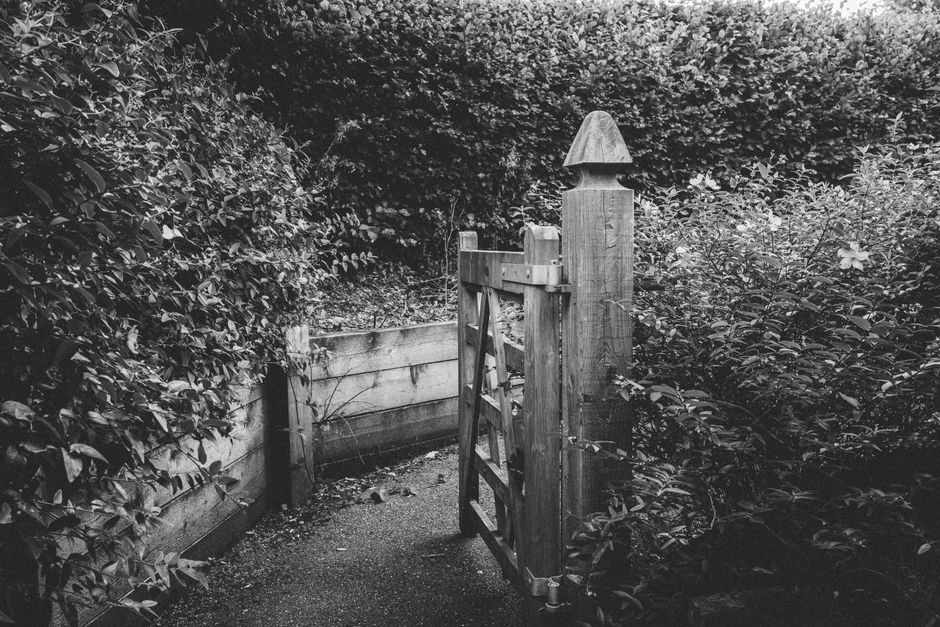
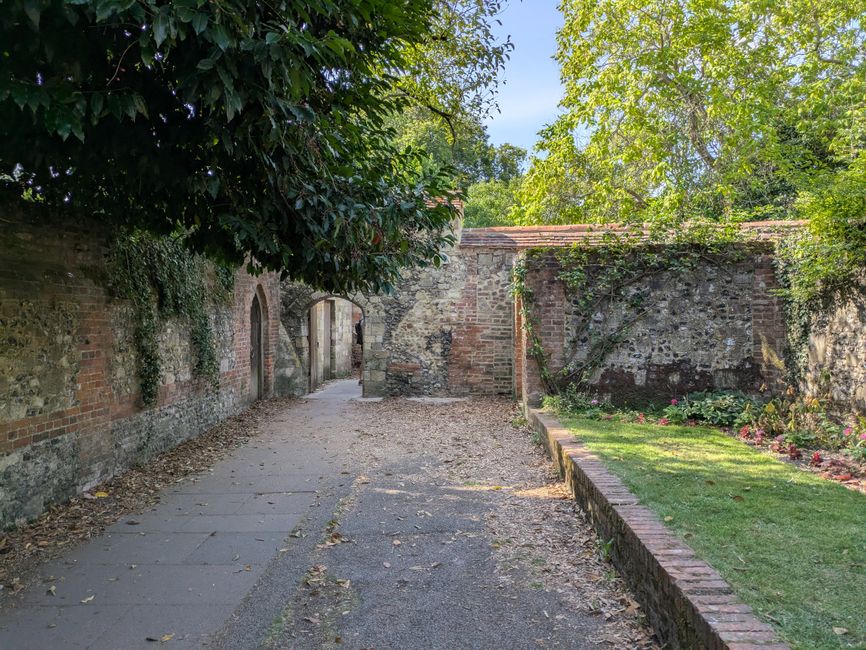
Picture a small Ballingdon garden reached through a narrow side path between the house and a boundary fence. The back border has become heavily overgrown over a season or two. There are brambles in the corner, a hedge leaning into the passage, and a few old pots that have become permanent features by accident.
A rushed approach would be tempting: cut everything hard, pile the waste in the nearest open patch, and hope the rest sorts itself out. But with narrow access, that tends to create more problems. Instead, a practical plan would likely look something like this:
- clear the access route first so movement is safe;
- reduce the hedge and bramble growth in smaller sections;
- bag or stage waste as the job goes along;
- protect the paving where repeated movement is needed;
- finish by tidying the border and checking whether future maintenance can be simplified.
What changes the result is not just effort, but order. The garden ends up easier to use. The route stays open. The waste is not left in a heap that makes the exit awkward. And the homeowner is left with a space that feels manageable again, not like a problem waiting to happen.
For smaller properties or compact outdoor areas, similar planning ideas are often used in small courtyard makeovers, where every inch of movement matters and neat sequencing makes a big difference.
Practical Checklist
Use this checklist before any narrow-access garden job. It keeps things grounded and avoids the usual surprises.
- Measure the gate, path, and any turns before work starts.
- Identify fragile surfaces, steps, and tight points.
- Decide whether the job is maintenance, clearance, or a wider redesign.
- Choose tools that can be carried and used comfortably in the available space.
- Plan where waste will go as the work progresses.
- Protect paving, walls, and nearby planting where needed.
- Keep the access route as clear as possible throughout the job.
- Allow time for a proper final tidy-down.
- Check whether the work would benefit from regular follow-up visits.
- Confirm any insurance, safety, or access concerns in advance.
If you can tick most of those boxes, you are in a much better position. If not, that is fine too. It just means the job needs a bit more planning before anyone starts shifting cuttings about.
Get a free quote today and see how much you can save.
Conclusion
Narrow garden access does not need to stand in the way of a tidy, healthy, and attractive outdoor space. With the right approach, Ballingdon and Sudbury gardens with tight routes can still be maintained, cleared, improved, and enjoyed without unnecessary stress. The key is to plan around the access, not fight against it.
That usually means smaller tools, smarter sequencing, careful waste handling, and a realistic view of what the space actually allows. Once those pieces are in place, even a tricky access route becomes manageable. Not effortless, perhaps, but manageable - and that is the difference that matters most.
If your garden has been put off because the access looks awkward, it may be worth taking a fresh look. Many compact spaces are far more workable than they first appear, especially once the right method is chosen. A little structure goes a long way, and honestly, it can be a relief just to know there is a way through it.
For a better picture of the company behind the service, you can also review about us and, if you are ready to discuss your garden, contact us.
Frequently Asked Questions
What does narrow garden access mean in practical terms?
It usually means the route into the garden is too tight for standard equipment, large loads, or easy movement. That might be a narrow side passage, a small gate, a shared alley, or a route with awkward turns and steps.
Can a gardener still work in a very tight Ballingdon garden?
Usually, yes. The job just needs to be planned differently. Smaller tools, section-by-section work, and careful waste handling often make a big difference. In some cases, a clearance comes before regular maintenance.
Is narrow access more expensive?
It can be, depending on how much extra time, labour, or waste handling is needed. That said, the price should reflect the real conditions of the site rather than being guessed in advance. Clear information helps keep costs sensible.
What kind of jobs are hardest with narrow access?
Heavy clearance, bulky hedge work, tree-related work, and jobs involving large volumes of waste are usually the most demanding. They are still possible in many cases, but they need more planning and sometimes more time.
Do I need a full clearance before maintenance can happen?
Not always. If the garden is only lightly overgrown, a maintenance visit may be enough. But if access is blocked by weeds, brambles, or accumulated waste, clearing the route first is often the better option.
How do gardeners protect paths and walls in tight spaces?
They may use mats, boards, careful carrying methods, and smaller waste loads. The idea is to control movement and avoid scraping or dragging anything across delicate surfaces.
Can landscaping help improve narrow access?
Yes. In some gardens, a layout change makes future work much easier. That might include widening a route visually, simplifying borders, or reorganising planting so there is more room to move and maintain the space.
What should I ask before booking a narrow-access garden job?
Ask how the work will be carried out, how waste will be removed, whether the access route has been considered, and whether the provider is insured for the type of work involved. Straight answers are a good sign.
Is hedge cutting possible if the only route is a narrow passage?
Yes, often it is. The hedge may need to be cut in smaller sections and the clippings handled gradually. A careful plan matters more than brute force.
How often should a narrow-access garden be maintained?
That depends on growth, use, and the style of the garden. Many compact spaces benefit from more regular light maintenance rather than waiting for everything to become overgrown. Smaller, frequent visits are often easier than occasional big jobs.
What if I want to improve privacy in a narrow garden?
Carefully chosen planting and structure can help without making access worse. In fact, some privacy solutions work better when they are slim and well placed. A useful starting point is to think about how height, screening, and movement fit together.
Where can I learn more about booking and service timing?
If you need broader guidance on availability and planning, the page on same-day gardeners Sudbury availability and booking tips is a helpful place to start.