Market Hill Sudbury gardeners for small courtyard makeovers
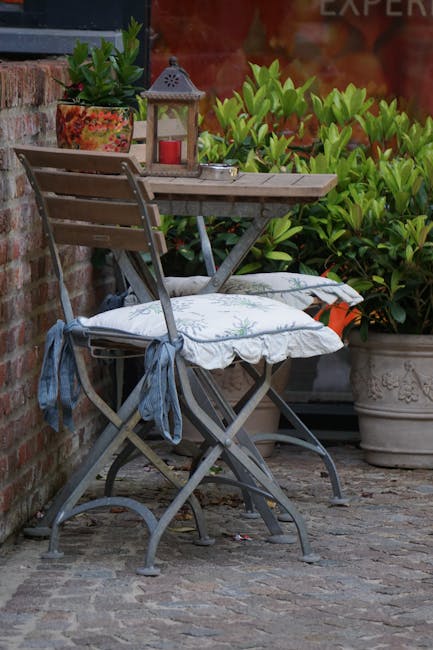
Small courtyards can be brilliant little spaces, but they can also feel awkward, shaded, overlooked, or just plain unused. If you are searching for Market Hill Sudbury gardeners for small courtyard makeovers, chances are you want a garden that looks better, works harder, and feels easy to live with rather than something high-maintenance and fussy. That is exactly where thoughtful local gardening help makes a difference.
A good courtyard makeover is rarely about packing in more plants. It is about balance: light, layout, texture, access, and the small details that make the space feel calm rather than cramped. In a compact outdoor area, every decision counts. One heavy planter, one awkward path, one overgrown shrub - and the whole thing can feel smaller than it really is. Get the basics right, though, and the space can feel bigger, cleaner, and surprisingly welcoming.
This guide walks through what courtyard makeovers involve, who they suit, what tends to work well in small spaces, and where homeowners often go wrong. You will also find practical steps, a comparison table, a checklist, and a realistic example to help you plan your own project with confidence.
Why Market Hill Sudbury gardeners for small courtyard makeovers Matters
Courtyards are often the most underused part of a home. They may be tucked between walls, screened by fencing, or squeezed behind a kitchen extension. And because they are small, people sometimes assume they do not deserve much investment. Truth be told, that is usually backwards. Small spaces reward good design more quickly than large ones.
In a courtyard, you notice the effect of every change straight away. A better surface underfoot. A trimmed hedge line. A cleaner edge to the planting. A more useful seating area. Even a modest refresh can shift the whole mood of the space from "leftover corner" to "intentional room outdoors".
Local gardeners matter here because small outdoor spaces need a practical eye. They need someone who can judge how much planting is enough, where drainage may become an issue, and which materials will hold up without making the space feel cluttered. A courtyard makeover is part gardening, part layout planning, and part restraint. That last bit matters more than most people expect.
There is also a local factor. Market Hill and the wider Sudbury area include homes with very different courtyard conditions: older boundary walls, shaded corners, sheltered pockets, and spaces that can become damp or mossy. The right approach is often specific to the site, not generic. A one-size-fits-all scheme can look polished in a brochure and feel clumsy in real life.
Expert summary: The best small courtyard makeovers do not try to do everything. They solve the main problem first, then use planting, surfaces, and structure to make the space feel calm, useful, and easy to maintain.
How Market Hill Sudbury gardeners for small courtyard makeovers Works
At its core, the process is simple: assess the space, decide what needs to change, and shape the courtyard around how you actually use it. But the best results come from a proper sequence rather than random improvements. If you start with plants before fixing the layout, for example, you may end up redoing the whole thing six months later. Not ideal.
Most courtyard makeovers begin with a site assessment. That means looking at sunlight, shade, drainage, privacy, current condition, access, and any features that need retaining or removing. A tired paved area may need cleaning or replacement. Overgrown borders may need clearing. Some spaces benefit from hard landscaping; others simply need smarter planting and maintenance.
If the courtyard is cluttered or neglected, a first step may be garden clearance. That gives you a clean slate. From there, the work can move into layout, surface choices, planting design, and finishing touches like edging, pots, or a seating nook. In many cases, a contractor will also recommend ongoing garden maintenance so the makeover holds its shape instead of slipping back into chaos by autumn. Let's face it, even the nicest courtyard gets scruffy fast if it is ignored for a season.
The most useful makeovers are usually built around clear zones. For example:
- A sitting zone for a small table, bench, or folding chairs
- A planting zone for containers, climbers, or narrow borders
- A circulation zone so you can move through the space comfortably
- A screening zone for privacy, texture, or a softer backdrop
Depending on the space, the work may also involve landscaping, adding or refreshing decking services, or selecting structural planting that gives shape without swallowing the courtyard whole. In tighter gardens, even a little structure goes a long way.
Key Benefits and Practical Advantages
A well-planned courtyard makeover is not just about looks. It solves everyday problems. That is why people often feel the difference immediately after the work is done. The space becomes easier to use, easier to maintain, and far more enjoyable on a normal Tuesday morning than it was before.
Here are the main advantages:
- Better use of limited space. The courtyard stops feeling like a dead end and starts functioning as a real outdoor room.
- Improved visual flow. Clean lines and consistent materials make the space feel more open.
- Less maintenance pressure. Smart planting and practical surfaces reduce the amount of ongoing work.
- More privacy and comfort. Screening, height layers, and careful layout help the space feel sheltered.
- Higher enjoyment. Even a compact courtyard can become a place for morning coffee, a container herb patch, or evening sitting.
- Better curb-to-back-garden transition. A courtyard often connects the inside and outside of the home; getting this right makes the whole property feel more cohesive.
There is a softer benefit too. A tidy, attractive courtyard changes how a home feels when you step outside. You are less likely to avoid it. More likely to open the door and use it. Small improvement, big daily impact.
For some properties, the best result is not a dramatic redesign but a tidy, layered refresh supported by targeted work such as hedge trimming or lawn mowing where those elements exist nearby and influence the view into the courtyard. For others, a more structural approach makes sense. It depends on what the space is doing now, and what you need it to do next.
Who This Is For and When It Makes Sense
This kind of project suits homeowners who have a courtyard that feels underwhelming, cluttered, or impossible to keep neat. It also suits people who know they want an improvement but are not sure whether they need a full redesign or just a practical tidy-up. That uncertainty is normal.
You may be a good fit for a small courtyard makeover if:
- Your outdoor space is too shaded or enclosed and needs better balance
- The surface is worn, uneven, or unattractive
- Existing planting feels messy or overgrown
- You want privacy without making the space feel boxed in
- You need a low-maintenance garden that still looks considered
- The courtyard is used as a route rather than a place to sit, and you want to change that
It also makes sense if you are preparing a property for sale or letting and want the garden to look cared for without overinvesting. A courtyard does not need to be large to influence first impressions. In fact, small spaces can be more memorable because their condition is so obvious.
If your garden is currently choked with debris, old pots, broken edging, or self-seeded growth, a reset with garden clearance may be the most sensible starting point before any design decisions are made. No point dressing up a space before you know what is actually there.
Step-by-Step Guidance
Here is a practical route that works well for most small courtyard projects. It is simple enough to follow, but detailed enough to avoid common missteps.
- Walk the space properly. Morning light, afternoon shade, damp patches, view lines, and awkward corners all matter.
- Decide the main purpose. Do you want a sitting area, a planting showcase, a neat passageway, or a mix of all three?
- Clear out the clutter. Remove items that do not belong. Old pots and half-dead shrubs create visual noise.
- Check the surface. See whether paving, decking, gravel, or stepping areas need repair, cleaning, or replacement.
- Plan the structure. Decide where the eye should go first. A focal point helps the space feel purposeful.
- Choose planting with restraint. Use a limited palette of plants that cope with the site conditions.
- Add height carefully. Climbers, trellis, and slim shrubs can make a courtyard feel layered without crowding it.
- Finish with functional details. Lighting, seating, edging, and containers should all support everyday use.
- Set up maintenance early. A good finish is only half the job. You need a plan for keeping it tidy.
If structural changes are needed, it can help to work through the broader service picture first. The site may benefit from a mix of landscape gardening and careful surface work, especially where the courtyard has slopes, drainage quirks, or old edging that no longer holds together. Small gardens are unforgiving like that. One weak point shows quickly.
A useful rule of thumb: solve movement and mess before you solve styling. If the courtyard still feels awkward to walk through, no amount of decorative planting will fully fix it.
Expert Tips for Better Results
After enough small-space projects, certain patterns become obvious. Here are the choices that tend to make the biggest difference.
- Use fewer materials. Two or three surface tones usually look calmer than five. In small courtyards, visual clutter is the enemy.
- Choose plants with form, not just flowers. Structure matters year-round. You want shape in February as well as June.
- Repeat key elements. A repeated pot style, plant type, or edging material creates rhythm.
- Keep heights in check. A single oversized feature can dominate a compact courtyard. That sounds obvious, yet it happens constantly.
- Make access easy. Maintenance should be straightforward. If the only way to water a plant is to move three chairs, something is off.
- Think in layers. Low planting, mid-height shrubs, and vertical features work better than a flat, one-note layout.
- Test privacy from inside the home. What looks screened from one angle may still feel exposed from the kitchen window.
One practical observation: if the courtyard is north-facing or heavily shaded, soft textures and lighter finishes can prevent it from feeling gloomy. If the space is bright and enclosed by brick or stone, you may be able to use richer materials without making it oppressive. Context matters. A lot.
And yes, sometimes the best upgrade is simply less stuff. A courtyard can breathe once the excess is gone.
Common Mistakes to Avoid
Small courtyard projects often go wrong in predictable ways. The good news is that most of them are avoidable with a bit of planning.
- Overplanting. People want instant fullness, but too many plants make the space feel tight and busy.
- Using too many styles at once. Modern seating, rustic pots, ornate paving, and bright bedding plants can fight each other.
- Ignoring drainage. Courtyards often trap water or show damp patches. That needs checking early.
- Choosing plants for looks alone. A plant that fails in shade, wind, or poor soil is not a bargain.
- Blocking movement. Gorgeous planters are still a problem if they make access awkward.
- Forgetting maintenance. If you cannot realistically keep it tidy, it is probably too demanding.
- Focusing on decoration before structure. Pretty finishing touches are wasted if the layout is clumsy.
A slightly more subtle mistake is copying a large-garden idea into a small courtyard. Big borders, sprawling feature trees, and complex paving patterns may look wonderful elsewhere. In a courtyard, they can simply overwhelm the place. You need editing, not excess.
If a mature shrub or small tree is blocking light or making the layout impossible, the issue may be more than cosmetic. In those cases, a professional view on tree lopping and removal can be useful, especially where safety, access, or neighbouring boundaries are involved.
Tools, Resources and Recommendations
You do not need a shed full of specialist kit to improve a courtyard, but the right tools make a tidy finish easier. For homeowners tackling smaller tasks themselves, the basics usually include pruning tools, a sturdy broom, a watering can or hose, a hand fork, and a pair of gloves that you actually like wearing. Small thing, but important. Uncomfortable gloves always end up in a drawer.
For more involved projects, practical resources often include:
- A sketch or scaled plan to test proportions before work begins
- Photos taken at different times of day to judge shade and light
- A simple plant list focused on soil and exposure, not just appearance
- Material samples for paving, decking, or edging
- A maintenance schedule so the space does not drift into neglect
If you want a broader view of what a provider can handle beyond the courtyard itself, it helps to review their services overview. That can give you a better sense of how clearance, shaping, maintenance, and landscaping fit together rather than being treated as isolated jobs.
For ongoing care, regular garden maintenance can be the difference between a courtyard that stays crisp and one that quietly slides back into the "we'll sort it later" category. We have all been there, of course.
Law, Compliance, Standards and Best Practice
Most courtyard makeover work is straightforward, but it is still worth approaching the project with proper care. If the work affects boundaries, drainage, access routes, or neighbouring property, then communication and sensible checks matter. In a compact urban or semi-urban setting, small changes can have a bigger knock-on effect than people expect.
Best practice usually means:
- Checking access and safety before heavy materials are brought into a tight space
- Being careful around walls, fences, and shared boundaries
- Using suitable materials for damp, shaded, or frost-prone conditions
- Planning any tree or shrub work responsibly
- Keeping the site tidy and low-risk during work
If you are hiring help, it is sensible to ask about insurance, working methods, and how waste is handled. A professional provider should be able to explain their approach clearly and without dancing around the question. That clarity matters more than flashy promises.
For background on how a provider approaches safety and working standards, it can also be useful to review their insurance and safety information, along with the company's health and safety policy. If sustainability is important to you, their recycling and sustainability approach may also help shape the project. That is especially relevant when old planting, soil, timber, or broken hard materials need to be removed.
For quotes, payment terms, and expectations, a transparent pricing and quotes page can help you compare options sensibly before you commit. Not glamorous, perhaps, but very useful.
Options, Methods, or Comparison Table
Courtyard makeovers can be approached in a few different ways. The right one depends on budget, condition, and how much change you want.
| Approach | Best for | What it usually includes | Typical advantage |
|---|---|---|---|
| Light refresh | Courtyards that are basically sound but look tired | Clearance, trimming, planting tweaks, cleaning, and finishing touches | Fast improvement with limited disruption |
| Functional redesign | Spaces with poor layout or awkward use | New zones, better surface layout, planting structure, and access improvements | Makes the courtyard genuinely easier to live with |
| Full makeover | Heavily neglected or poorly planned courtyards | Clearance, landscaping, possible decking or hardscape changes, and new planting design | Creates the biggest visual and practical transformation |
In many cases, the best result is somewhere between a refresh and a redesign. That middle ground is often the sweet spot: enough change to make a real difference, but not so much that the courtyard becomes over-engineered.
Where a raised timber area or compact seating zone would improve usability, it may be worth exploring decking services. Decking can work well in enclosed courtyards when it is used sparingly and with good drainage awareness. Used badly, it can look cramped. Used well, it can feel clean and inviting. Big difference.
Case Study or Real-World Example
Here is a realistic example based on a typical small courtyard project. A homeowner had a narrow paved space behind the kitchen that had become a dumping ground for plant pots, broken terracotta, and one stubborn shrub that had taken on a life of its own. The area was shaded for much of the day and felt damp by late afternoon. Not a disaster, but not somewhere anyone wanted to sit.
The first step was clearance. Old debris went, the tired shrub was cut back, and the paved surface was cleaned so the actual footprint of the space could be seen. That alone made the courtyard feel less cramped. Then the layout was simplified: one small seating area, a narrow path through the centre, and planting placed along the edges rather than in the middle.
Instead of filling every gap, the design used a few repeated container shapes, a climber to soften the wall, and low-maintenance planting chosen for shade. The result was not dramatic in a glossy-magazine sense. It was better than that. It felt usable. The homeowner could step outside with a mug of tea, sit down, and not immediately think about jobs that needed doing. That is often the real win.
In situations like this, it is often the combination of garden clearance, careful landscape gardening, and ongoing garden maintenance that keeps the courtyard looking good long after the initial excitement fades.
Practical Checklist
Before you start, work through this checklist. It keeps the project grounded and helps you avoid expensive second guesses later.
- Have you decided how the courtyard will be used most often?
- Have you checked where the light and shade fall during the day?
- Is the space currently cluttered, overgrown, or difficult to move through?
- Do the surfaces need repair, replacement, or just a good clean?
- Have you considered drainage, damp, and seasonal mess?
- Are your planting choices realistic for the amount of sun and maintenance you can offer?
- Will the final layout still feel comfortable if you add a table, chairs, or containers?
- Do you want a low-maintenance finish, a planted retreat, or a more structured outdoor room?
- Have you checked whether any trees, hedges, or boundary growth need attention first?
- Do you have a plan for keeping the space tidy after the makeover?
If you can answer most of those with confidence, you are already in a much better place than most people who start these projects on impulse. A bit of planning goes a long way.
Conclusion
Small courtyard spaces are funny things. They can be ignored for years, then transformed in what feels like no time at all once the right decisions are made. The main trick is not to treat the space as a leftover. Treat it as a room with boundaries, purpose, and a job to do. That shift changes everything.
Whether your courtyard needs a clear-out, a layout rethink, softer planting, better privacy, or a more polished finish, the best outcomes usually come from practical local knowledge and a careful eye for proportion. Good gardeners do not just make things prettier. They make the space work better day to day, and that is the bit people remember.
If you are exploring Market Hill Sudbury gardeners for small courtyard makeovers, start with the space as it is now, then decide what would make life easier, calmer, and more enjoyable. Keep it simple where you can. Be selective. And give the courtyard room to breathe.
Get a free quote today and see how much you can save.
Sometimes the smallest gardens become the places you use most often. Funny how that works.
Frequently Asked Questions
What is included in a small courtyard makeover?
A small courtyard makeover usually includes clearing clutter, improving layout, refreshing planting, and making the space more usable. Depending on the condition of the area, it may also involve surface work, edging, privacy screening, or structural features like decking or containers.
How do I make a courtyard look bigger?
Use a simple layout, fewer materials, and repeated planting or container styles. Lighter surfaces, clear sight lines, and carefully placed vertical features can also make a courtyard feel more open. Overcrowding is what usually makes these spaces feel smaller.
Is a courtyard makeover suitable for very shaded spaces?
Yes, absolutely. Shaded courtyards can be some of the most rewarding spaces to improve. The key is choosing planting and finishes that cope with lower light and moisture. Soft textures and lighter materials can help prevent the space from feeling gloomy.
Do I need garden clearance before starting?
If the courtyard is cluttered, overgrown, or full of old pots and waste, clearance is often the best first step. It lets you see the real shape of the space and makes planning much easier. You cannot design around a mess very well, to be fair.
How long does a small courtyard makeover usually take?
That depends on the amount of work involved. A simple refresh can be relatively quick, while a more complete redesign takes longer because it may involve clearance, landscaping, and planting. The condition of the space matters more than the size alone.
What plants work best in a courtyard?
Plants with strong shape, manageable size, and tolerance for the actual conditions of the courtyard tend to work best. Shade, wind, and dry corners all affect plant choice. A compact mix of evergreen structure and seasonal interest usually works better than trying to cram in lots of varieties.
Can decking work in a small courtyard?
Yes, decking can work well if it is used carefully and suits the proportions of the space. It can create a clean sitting area or soften awkward surfaces. The main thing is not to let it dominate the courtyard or make drainage problems worse.
Should I choose landscaping or maintenance first?
If the courtyard is in poor condition, start with clearance and any needed landscaping changes, then move into maintenance. If the structure is already good, regular maintenance may be enough. In many cases, both are needed at different stages.
How do I keep a courtyard low-maintenance after the makeover?
Pick durable materials, limit the number of plant types, and avoid features that demand constant attention. A simple maintenance routine - cutting back, weeding, sweeping, and checking for drainage issues - helps a lot. Simplicity is your friend here.
What should I ask a gardener before booking a courtyard project?
Ask how they would approach the layout, what they recommend for the site conditions, how they handle clearance and waste, and whether they can explain the plan in plain English. It also helps to ask about insurance, pricing, and ongoing maintenance options.
Do I need permission for courtyard work?
Most routine gardening and light landscaping do not require formal permission, but anything affecting boundaries, access, trees, or shared structures may need a closer look. If you are unsure, it is sensible to check before work begins rather than after.
What is the best first move if I am not sure where to start?
Start with a walk-through and a clear assessment of the space as it is now. Take note of what feels awkward, what you want to keep, and what you want to remove. Then speak to a local gardener who understands small-space design and can help you prioritise the work sensibly.